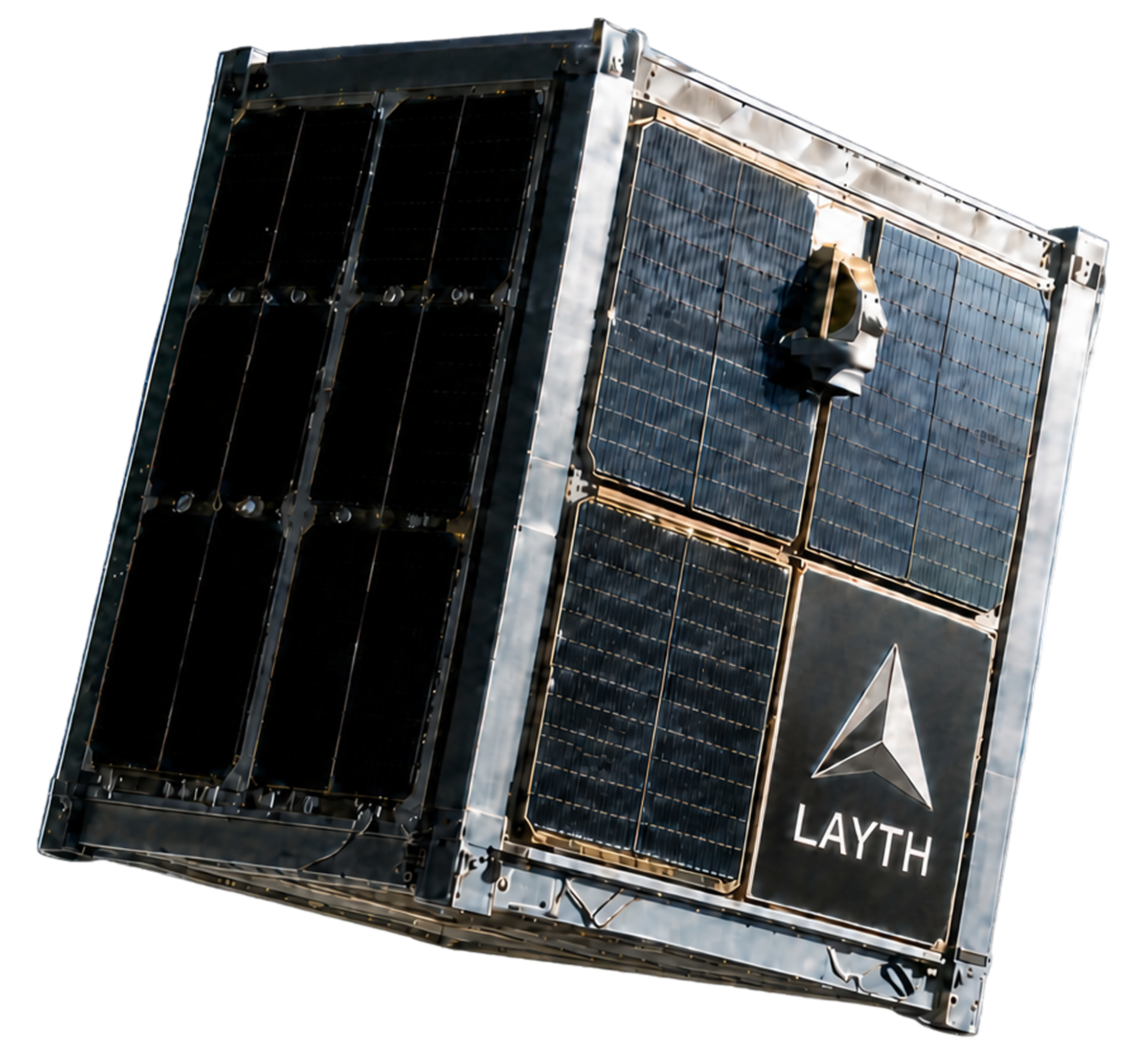
On April 15, 2026, LaythTech engineers confirmed telemetry lock on the first microsatellite jointly developed with King Fahd University of Petroleum and Minerals (KFUPM) — the Kingdom of Saudi Arabia's inaugural sovereign ground-to-orbit demonstration under domestic mission control.
The milestone represented more than a successful launch. It proved that Saudi Arabia now possesses the end-to-end industrial capability to design, integrate, test, and operate small satellite platforms — without reliance on foreign mission control infrastructure.
From Concept to Launch: The Engineering Timeline
The program began in Q3 2024 with a feasibility study between LaythTech's systems engineering team and KFUPM's aerospace faculty. The agreed payload mass was constrained to 6U cubesat form factor to keep launch procurement timelines manageable and to stress-test LaythTech's integration workflows under realistic constraints.
Assembly and Integration Testing (AIT) took place at LaythTech's in-Kingdom facility in Riyadh — the first privately operated AIT cleanroom certified to ISO Class 7 in Saudi Arabia.
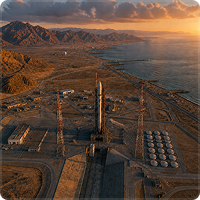
Mission Control: Built and Operated in-Kingdom
The ground segment is what distinguishes this mission from previous Saudi-affiliated space activities. Prior Saudi-flagged satellites have been operated via foreign ground stations. For this mission, LaythTech engineered and operates a dedicated mission operations center in Riyadh, staffed by Saudi engineers working 24-hour rotating shifts.
"The first telemetry packet we received domestically — without routing it through a foreign ground network — that was the moment we knew the program had succeeded in what it set out to prove." — LaythTech Mission Operations Lead
The communications stack uses S-band for telemetry and command, with X-band downlink for payload data. The ground station antenna system was installed and integrated by the LaythTech RF team over a nine-month period in 2025.
What This Means for Saudi Sovereign Space Capability
Saudi Arabia's space ambitions under Vision 2030 are well-documented. But ambition without indigenous capability is dependency — and dependency in space infrastructure creates strategic vulnerabilities that surface when geopolitical dynamics shift.
- In-Kingdom AIT is viable: Saudi engineers can design, assemble, and verify satellite platforms to launch-ready standard without leaving the country.
- Domestic mission control is achievable: End-to-end command and control of a satellite in orbit is now operating from Saudi soil.
- University-industry collaboration works: The KFUPM partnership model is replicable — LaythTech is in active discussions with three additional Saudi universities for follow-on programs.
Program note: LaythTech is actively seeking government and commercial partners for the Phase 2 constellation program. Contact [email protected] for program briefings.