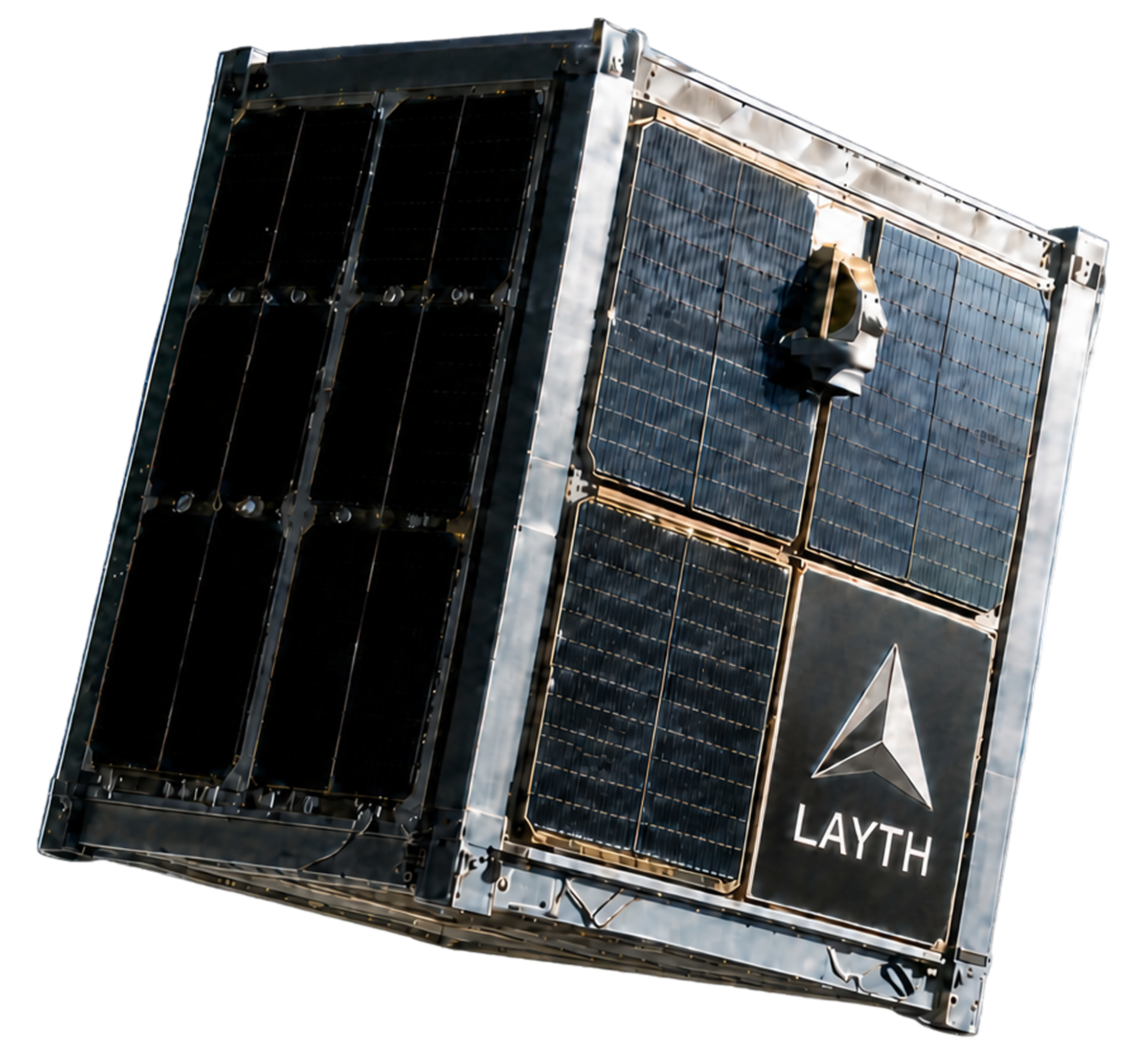
Vision 2030 has catalyzed a transformation in Saudi Arabia's physical and digital infrastructure — NEOM, Red Sea transport networks, 5G deployment, smart city platforms. These investments are real and consequential.
But there is one critical infrastructure layer that does not yet exist at sovereign scale: the satellite infrastructure operating above it all. And without that layer, the data sovereignty that Vision 2030 ultimately requires cannot be fully achieved.
Why Satellite Capacity Is a Sovereignty Issue
Every major infrastructure sector in the Kingdom generates data that is currently routed, stored, or monitored through foreign-operated satellite systems. Energy assets, logistics hubs, defense installations, environmental monitoring networks — all depend on connectivity and observation capability that runs through non-Saudi infrastructure.
"Sovereign space capacity isn't just about national prestige. It's about whether Saudi Arabia can guarantee the availability and integrity of its own critical data in a contested geopolitical environment." — LaythTech Strategic Advisory
The Three Dependencies That Must Be Resolved
- Earth observation: The Kingdom relies on commercial and foreign government imagery satellites for environmental, agricultural, and infrastructure monitoring.
- Satcom connectivity: Critical remote sites — offshore oil platforms, border monitoring stations, desert logistics hubs — depend on VSAT capacity operated by non-Saudi providers.
- PNT (Position, Navigation, Timing): GPS dependency creates a systemic vulnerability for every sector — from precision agriculture to defense asset tracking.
The Vision 2030 Space Opportunity
Saudi Arabia's Vision 2030 space sector targets create the policy and funding environment to close these gaps — if that ambition is translated into genuine industrial capability, not just procurement of foreign systems under a Saudi flag.
LaythTech's position is that authentic sovereignty requires:
- Satellites designed and integrated in the Kingdom
- Mission control operated by Saudi engineers on Saudi soil
- Ground station infrastructure owned and operated by the Kingdom
- A supply chain with increasing Saudi content at each program cycle