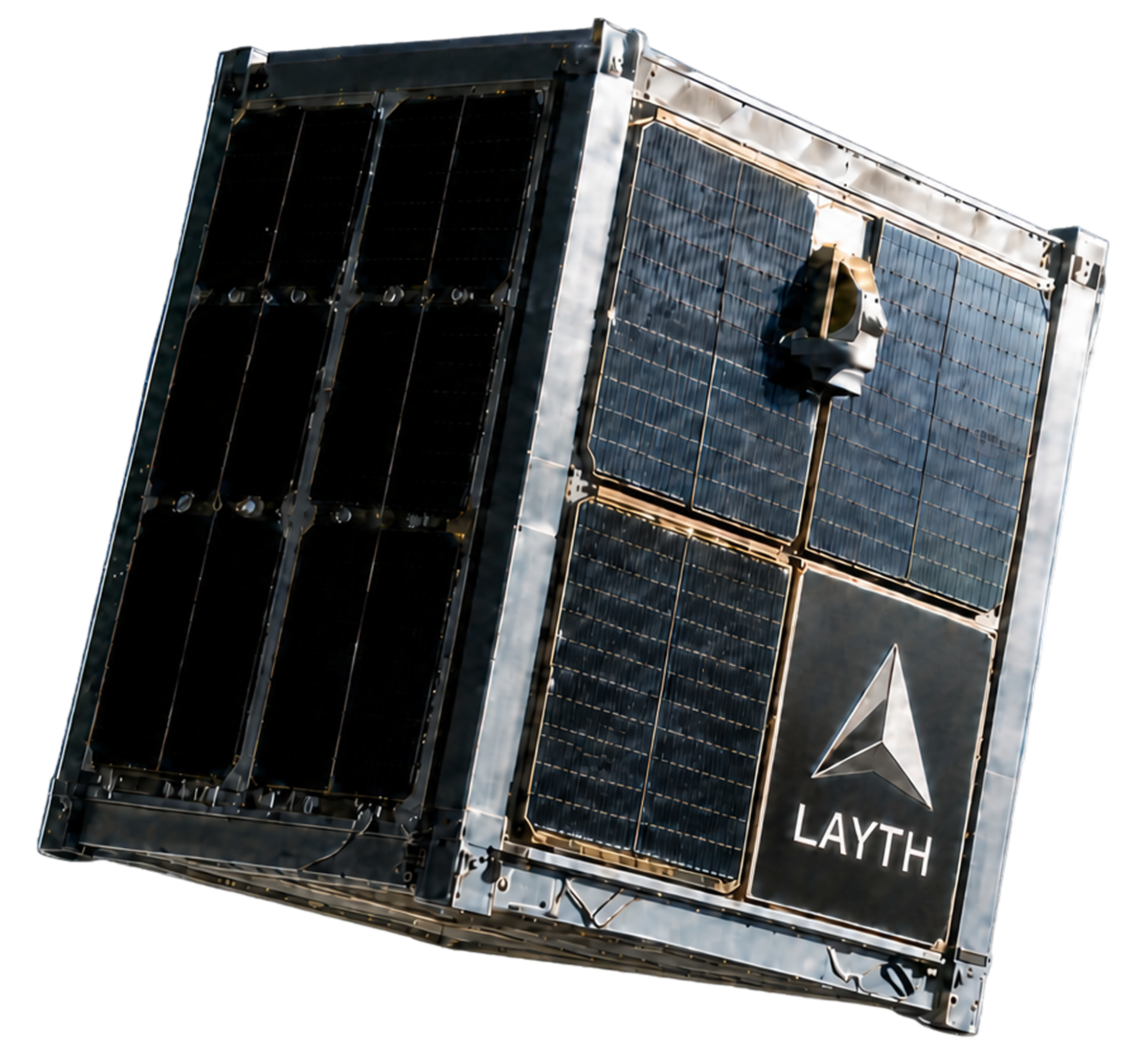
Six months into the operation of our first three-satellite constellation arc, the LaythTech engineering team has accumulated enough on-orbit data to draw meaningful conclusions about the compute architecture choices we made during the design phase.
What We Got Right
The hybrid compute architecture — rad-hard primary processor paired with a watchdog-monitored COTS accelerator in a shielded enclosure — has performed better than our pre-launch FMEA predicted. Single-event upsets (SEUs) in the COTS accelerator have averaged 1.2 events per spacecraft per month, all successfully handled by the watchdog reset mechanism without human intervention.
What We Would Change
The memory architecture — separating mission-critical flight software storage on radiation-hardened NOR flash from payload data storage on COTS NAND with triple-redundancy — has been particularly effective. However, the thermal management subsystem was undersized for the equatorial crossing thermal cycles we are observing.